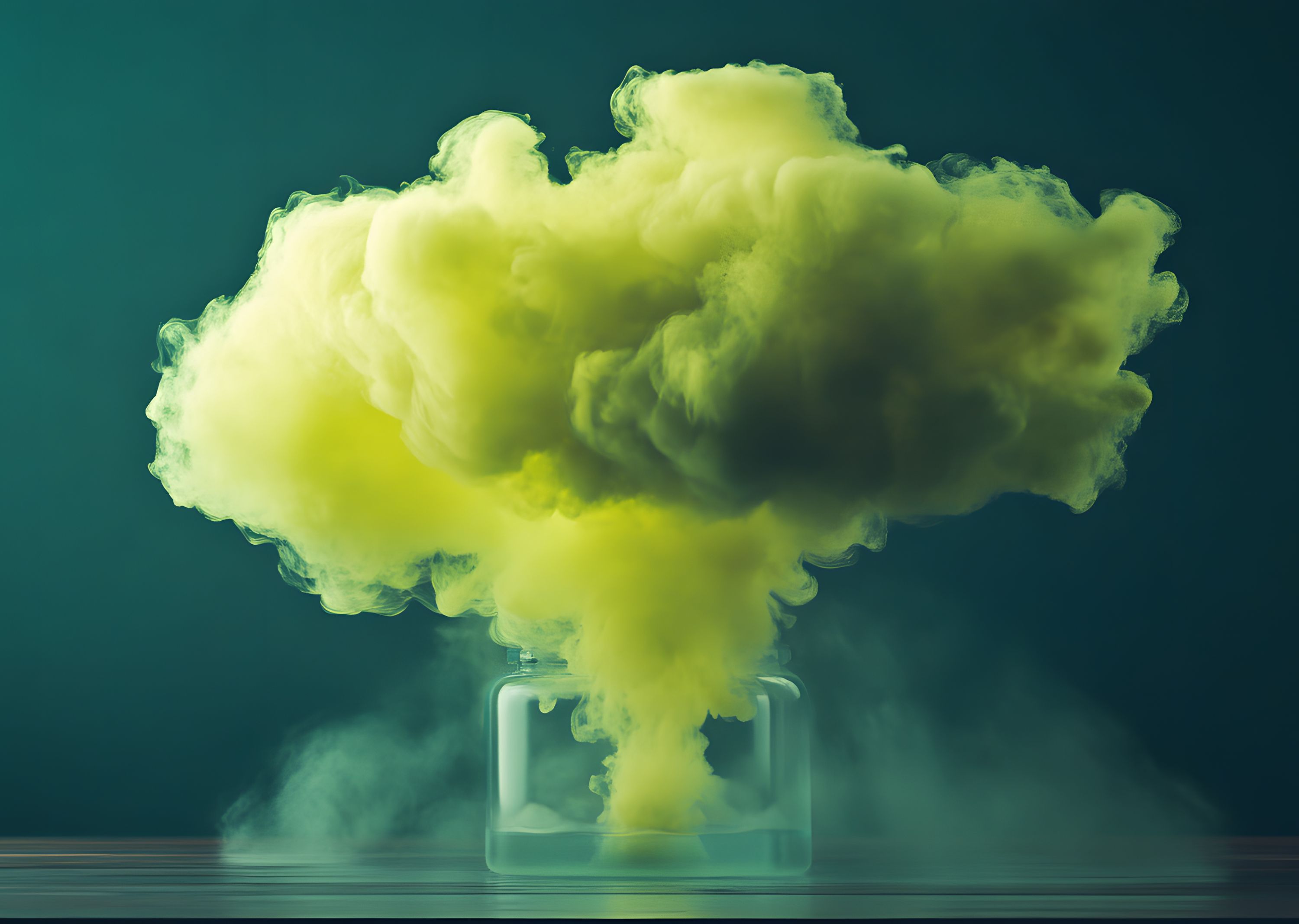
In 1915, in a muddy battlefield on the other side of the world, British soldiers watched as a dense gas slithered over no-man’s-land toward their crowded trenches. The sickly green-yellow cloud stood two stories tall when it fell over the young British soldiers. Heavier than air, it sought the trenches, then the hollows and shelters within those trenches. The same trenches that had been sanctuaries only minutes earlier. And when it came, those boys had few gas masks to protect them.

“I don’t think there’s anything worse than gas,” said Private George White of the British infantry.
From interview “Gas Attacks at Ypres”
Its unearthly color earned it the moniker mustard gas. Its simplified chemical name: chlorine gas.
The question is this. After ALL the horror stories of the Great War’s chemical attacks, how did Chlorine remain a fairly popular name?
You heard it right. Chlorine (from the Greek khloros, or green-yellow) as a first name. While never a common first name, chlorine had been generously adopted across the United States for 50 years, from roughly 1880 to 1930. The answer seems to be the same reason German generals deployed it—Chlorine was very good at killing things.
Ever wonder how your safe drinking water became safe drinking water? Find out here.
French musical string makers benefitted from one of the earliest practical applications of chlorine. In this case chlorine helped kill the putrefying stench of repurposed animal intestines, which were dried and wound into a cord commonly known as catgut. The unimaginable stench permeated the clothes and bodies of these French artisans and they begged for a solution. It came in the form of diluted chlorine.

From Science Museum Group Online Collection Online, 2025.
After the initial success, this diluted chlorine, or household bleach, became a cure-all of a thousand uses, most legitimate. It became a snake oil that delivered. Workers doused latrines and sewers. Slaughterhouses got a hefty dose. Prisons and hospitals were scrubbed head to toe with the solution.
Its use became mandated as part of the quarantine process for disembarking vessels. It even slowed* epidemics and helped rid the air of “putrid miasmas.” Many health officials, at the time, considered stinky air the cause of most disease. Keep in mind, this is 50 years before Modern Germ Theory. Doctors knew chlorine worked and knew it had saved millions of lives, but they had no idea how.
*Slowed, not stopped. It would be another century before these early epidemics ended.
Records on the use of Chlorine as forename are relatively scant, since most baby-naming databases start around 1919. The casual data-gathering of these sites also makes them a poor resource. Instead, here’s a pretty collage, the result of a single two-minute search on Newspapers.com. If this sampling is indicative of American trends at the time, then more Chlorines existed than baby-naming sites suggest.

This reverence comes from the element’s contribution to public health and medicine, which eclipses its horrific use on the battlefield. By the 1850s, doctors handwashed with diluted bleach instead of just soap, which had been the standard. Doctors began using it for wound irrigation, which led to fewer deaths from sepsis or gangrene.
By the 1910s, when Germ Theory of Disease had emerged and embraced by contemporary medicine. By the 1920s, its addition to many municipal water sources ended many cholera, typhoid, and diarrhea epidemics. It proved so effective (and plentiful) that it remains the most common disinfectant in the world. Considering the countless lives saved by chlorine, versus the lives lost by the same element in World War I, its no wonder it found a brief but celebrated use as a girls’ forename.
Also, the word sounds pretty.
Would You Like to Know More?
Forbes offers an excellent guide on using household cleaners safely in its article “Why You Should Never Mix Different Drain Cleaners.” Chlorines reactivity makes it such an effective germ killer, but also makes it potential lethal.
If you’re looking for some chlorine history, check out this 1828 report “On the Disinfecting Properties of Labarraque’s Preparations of Chlorine.” This preparation would evolve into simple household bleach.